

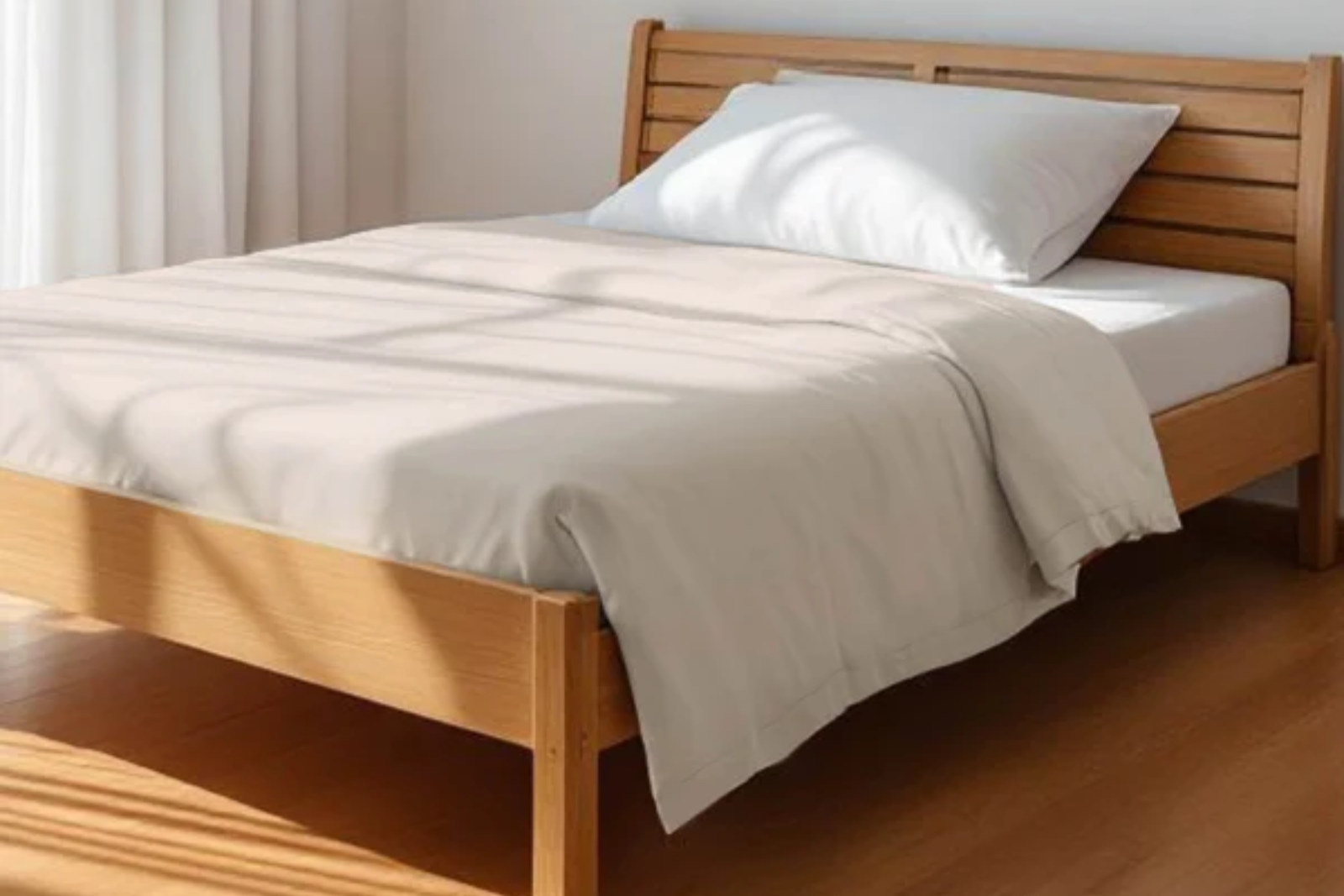
In Indian homes, the Dohar holds a special place. Neither a heavy quilt nor a simple sheet, it is a thoughtfully engineered layer designed to respond to our climate and lifestyle. Ideal for warm nights, air-conditioned rooms, and seasonal transitions, a Dohar creates a gentle microclimate, cool when the body needs airflow and warm when temperatures dip.
While its beauty often lies in block prints, soft hues, or handcrafted detailing, the real magic of a Dohar is invisible. It rests in the science of yarn, weave, and finish, a balance perfected over generations of textile knowledge.
1.The Foundation: Yarn Quality and Fabric Construction
Comfort begins at the yarn level. High-quality Dohars are made using long-staple cotton, prized for its strength and smoothness. Longer fibers allow yarns to be spun finer without compromising durability, resulting in fabric that feels soft yet breathable.
Fine yarns allow air to circulate freely. Unlike coarse yarns that trap heat and create a fuzzy surface, fine cotton yarns maintain a smooth hand feel and allow body heat to dissipate naturally, which is crucial for uninterrupted sleep in warm climates.
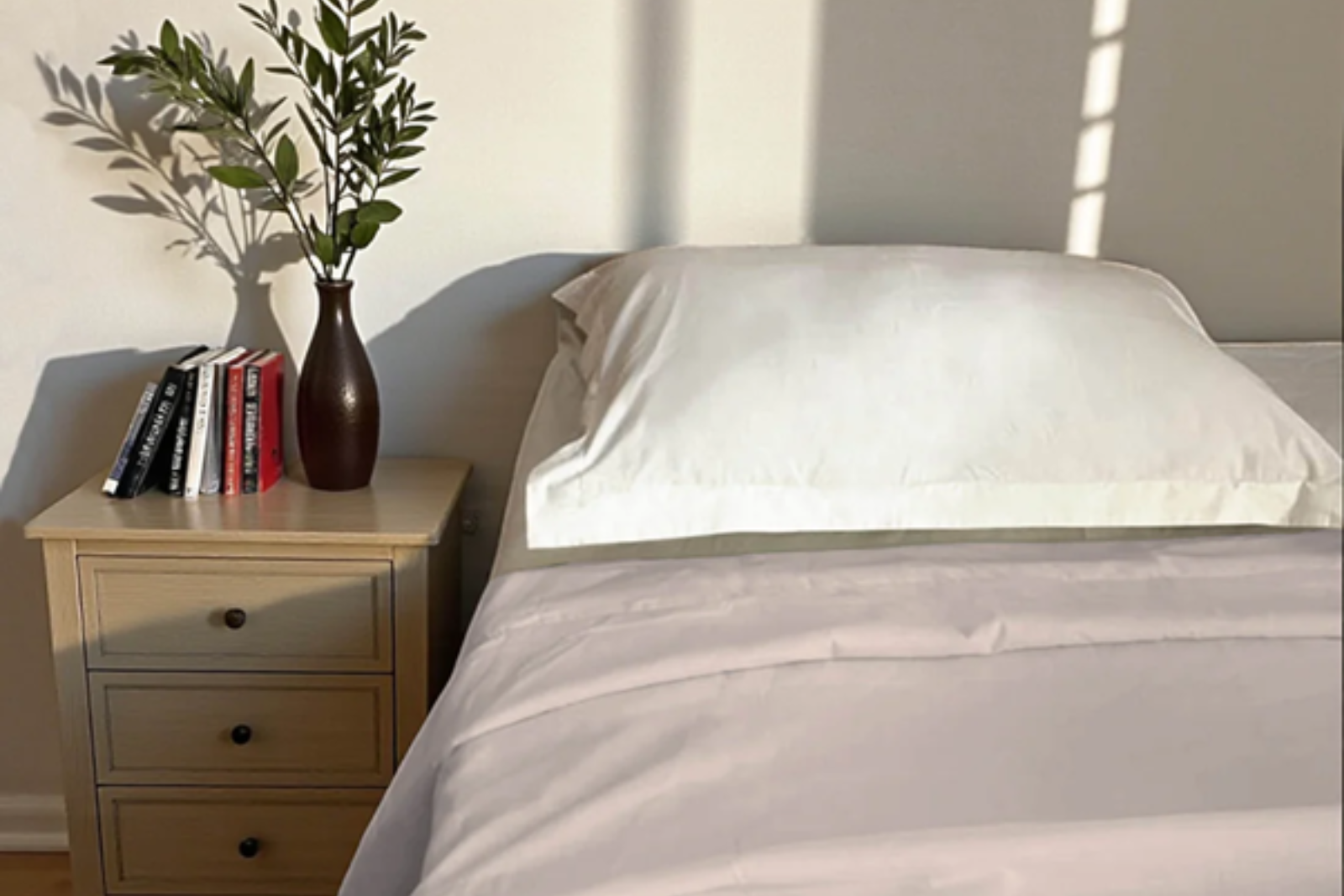
2.The Heart of the Dohar: Mulmul and Cotton Flannel
What truly sets a Dohar apart from quilts or bedspreads is its middle layer.
Traditionally, this layer is made from mulmul or brushed cotton flannel, an open-weave cotton fabric with a softly raised surface. Unlike synthetic batting used in modern comforters, cotton flannel breathes with the body.
This layer performs two vital functions:
· Thermal regulation: Tiny air pockets formed by the brushed fibers trap just enough warmth for comfort
· Moisture management: Cotton’s natural hydrophilic nature absorbs and releases moisture, preventing overheating
The result is a blanket that keeps you comfortable during monsoon nights or under air conditioning, without the clammy feeling often caused by synthetic fillings.
3.The Outer Layers: Percale vs Voile Weaves
Most Dohars use plain weave cotton for their outer layers, but the density of that weave defines how the Dohar feels.
· Percale weave: Crisp, cool, and structured, similar to hotel bed linen
· Voile or soft cambric weave: Lighter, airier, and more fluid
VLiving typically uses voile with a 92 × 100 construction, with a total thread count ranging between 180 and 220. This creates a fabric that is:
· Lightweight (60 to 75 gsm)
· Soft against the skin
· Highly breathable
· Semi-sheer without feeling fragile
This allows maximum airflow while maintaining strength. When three layers of such fabric are stitched together, the Dohar gains:
· Natural drape that follows body contours
· Even temperature distribution
· Minimal weight with maximum comfort
This ensures there are no cold gaps, yet the Dohar never feels heavy or restrictive.
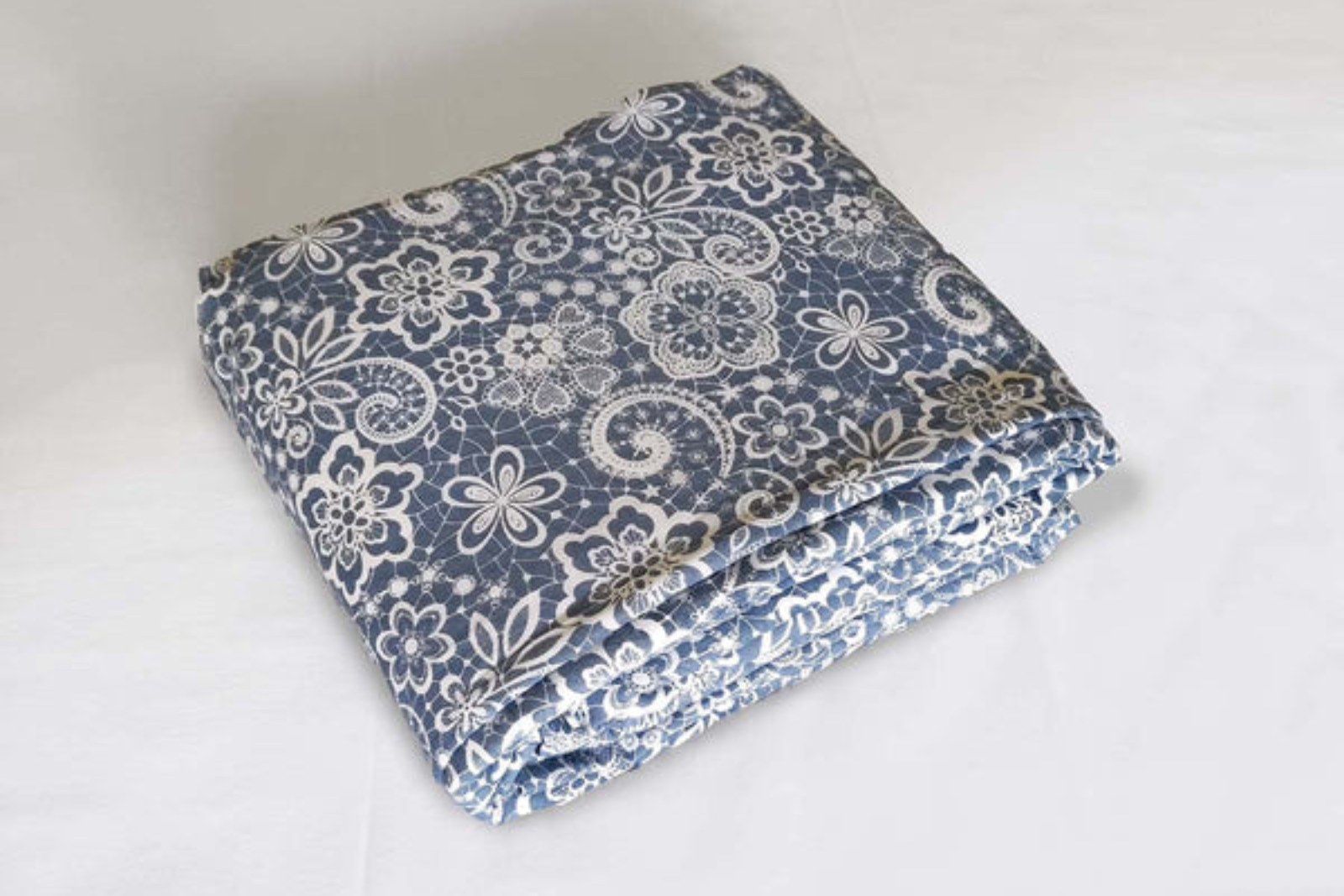
4. The Stitching & Finishing:
Mass-produced bedding frequently relies on chemical softeners and wrinkle-resistant resins. These treatments coat the fibers, reducing airflow and compromising cotton’s natural breathability and softness.
VLiving’s authentic, well-crafted Dohars have no chemical finishes. Instead, they use:
· Mechanical softening
· Gentle washes
· Time-tested finishing methods
This keeps the cotton fibers open and alive. Over time and with repeated washing, the fabric relaxes further, making a Dohar softer, lighter, and more breathable with age rather than deteriorating.
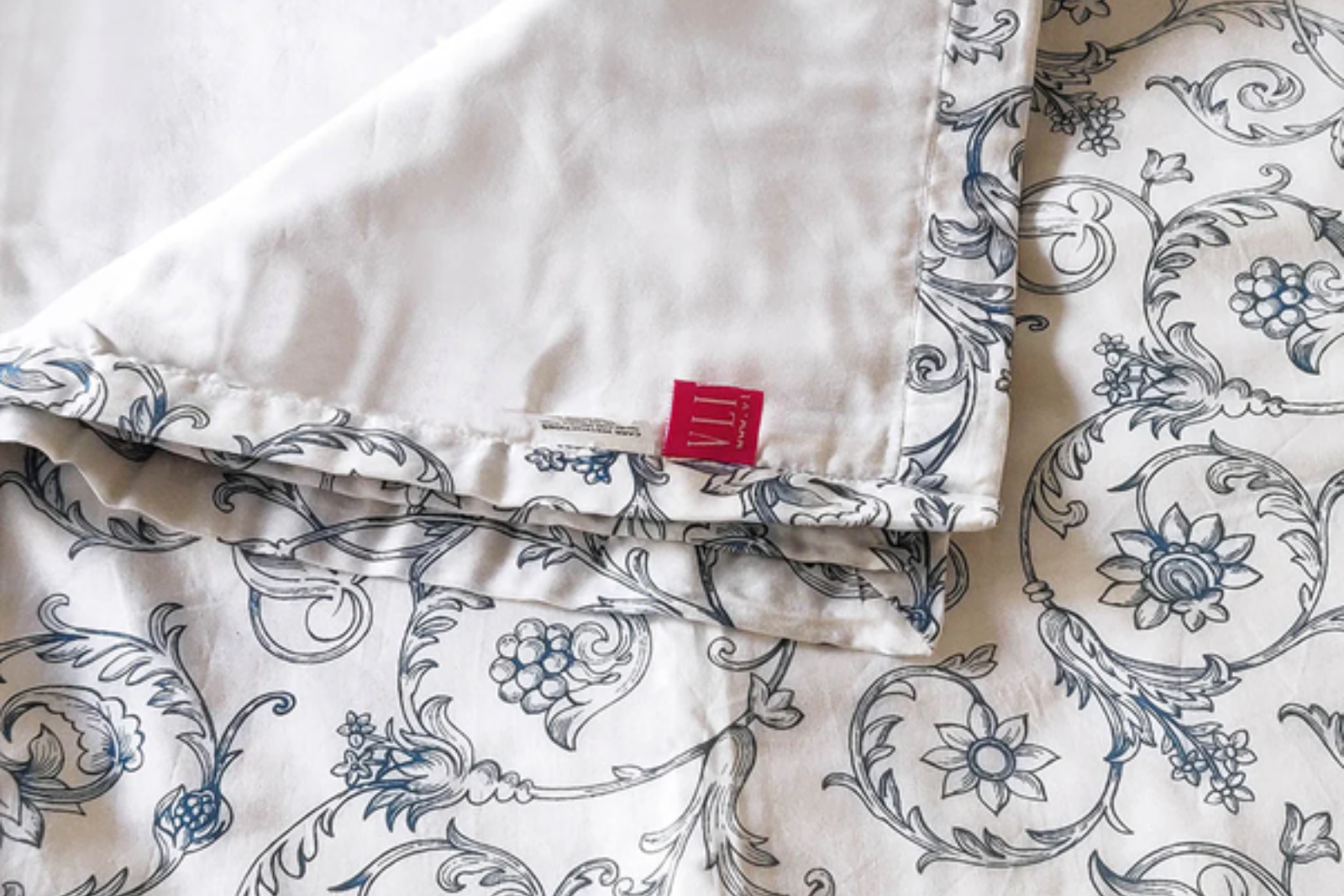
The Verdict: A Thoughtful Balance of Warmth and Airflow
A well-made Dohar is not accidental. It is a quiet triumph of many trials and tests. Warmth comes from the air trapped in its cotton core. Breathability comes from fine yarns, open weaves, and honest finishing.
When chosen thoughtfully, a Dohar becomes more than bedding. It becomes a year-round companion, light enough for summer, comforting enough for cool nights, and perfectly attuned to the way we live.
At its best, a Dohar does not just cover you. It understands you.