

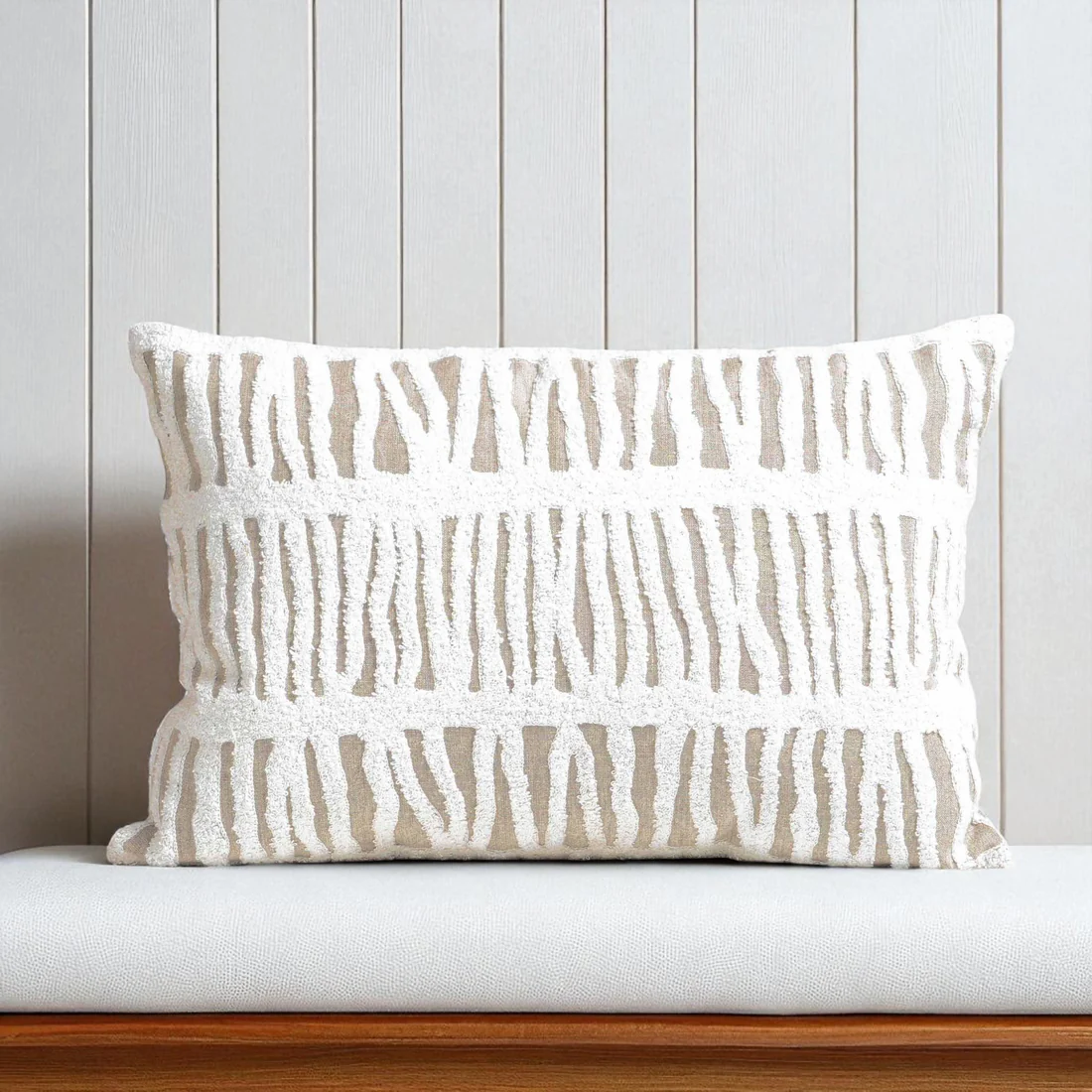
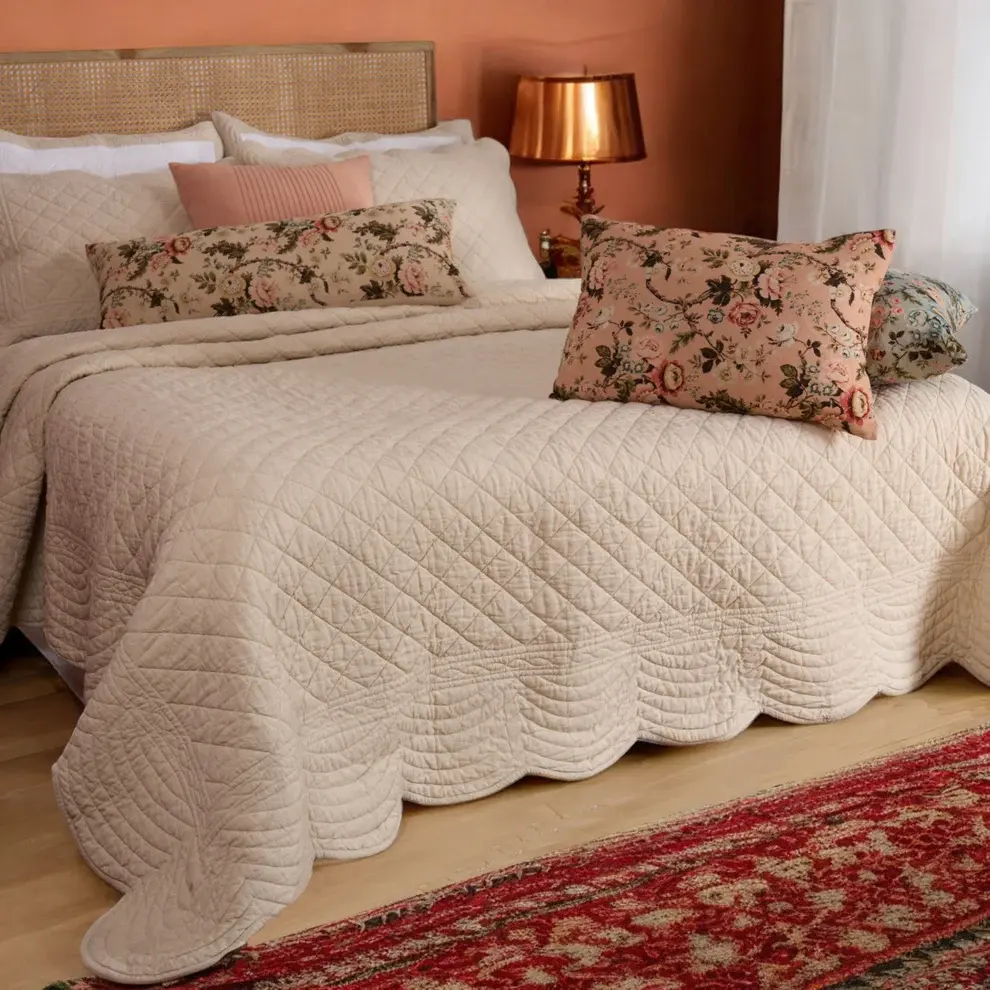
How Linens Protect and Preserve WoodWood, as elegant and durable as it is, has a living quality. It expands and contracts with temperature changes and humidity. It fades under sunlight and dulls with constant contact. Over time, the small things, a hot cup, a glass of water, a book left open for days, leave marks that slowly age the surface.That is where linens quietly do their job. A tablecloth or runner may seem decorative, but it is a subtle shield. It absorbs spills before they reach the wood, prevents heat marks, and reduces the friction of everyday use. Even something as simple as a cotton mat under a flower vase prevents moisture from seeping through and leaving a ring.In spaces where sunlight streams in, fabrics play another role; they act as a filter. Curtains, blinds, or light linen panels help reduce direct UV exposure that can dry and fade wooden finishes. It is why well-curated furnishings are not just about style; they are part of maintaining the materials around you.
Choosing the Right Fabric for Your FurnitureNot every fabric behaves the same way on wood. Choosing the right one depends on how and where the furniture is used. For dining tables and work desks, places that see frequent activity, durable, tightly woven fabrics work best. Cotton-linen blends or thick pure cotton cloths are ideal because they breathe, wash easily, and provide enough texture to prevent slipping. For sideboards or accent tables, you can experiment with lighter weaves. A soft, loosely woven table runner adds a layer of interest without overwhelming the surface. When layering fabrics, ensure they do not trap moisture underneath. A dry, breathable fabric is always better than something glossy or plastic-like. Another thing to consider is your flooring. If the room is carpeted, fine fibres and dust can easily cling to the lower edges of hanging linens, brushing against the wooden legs. Opt for shorter linens or those with minimal fringe to keep them from catching. On tiled or wooden floors, you can go longer, just make sure the fabric does not drag or bunch up, as that can lead to uneven wear on both the linen and the furniture.
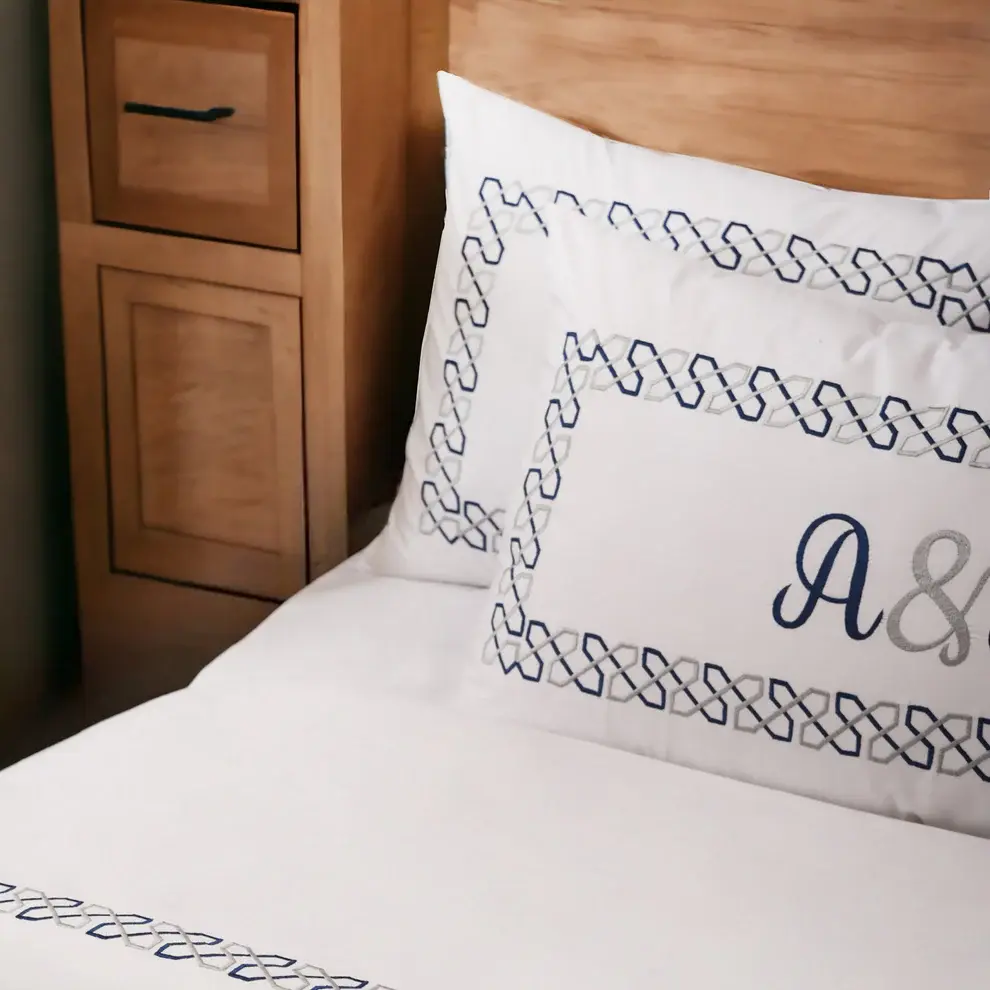
Balancing Utility and AestheticsEvery piece of furniture serves a different purpose, and the way you protect it should match its role. A dining table, which bears the brunt of everyday life, needs more structured protection. Here, layering helps: a tablecloth for full coverage and placemats for concentrated use areas. For a console table, a single runner can do the job while leaving some of the wood visible.For bedrooms, think of linens as both protectors and mood-setters. Bed runners or cushion covers that complement the wood’s tone can tie the space together while minimising direct friction on headboards or side tables. Even curtains, when chosen thoughtfully, can preserve the polish on wooden window frames by filtering harsh sunlight through the day.If you live in a humid region or near the coast, your wood care routine might also include small habits like airing out rooms and keeping furniture away from damp walls. Linens in such spaces should be light and easy to wash frequently, so moisture does not get trapped between fabric and surface.
- Always wipe spills immediately, even if you have a cloth covering the surface.
- Avoid placing very hot or very heavy objects directly on wooden tables, even through a thin cloth.
- Rotate decorative pieces occasionally to prevent uneven fading.
- Wash and dry your linens regularly, so dust does not build up between layers.
- And every now and then, take a moment to polish or oil the wooden surface. This keeps it supple and gives the grain a natural sheen. Think of it as giving your furniture a reset, just as you would wash your linens or air your cushions.
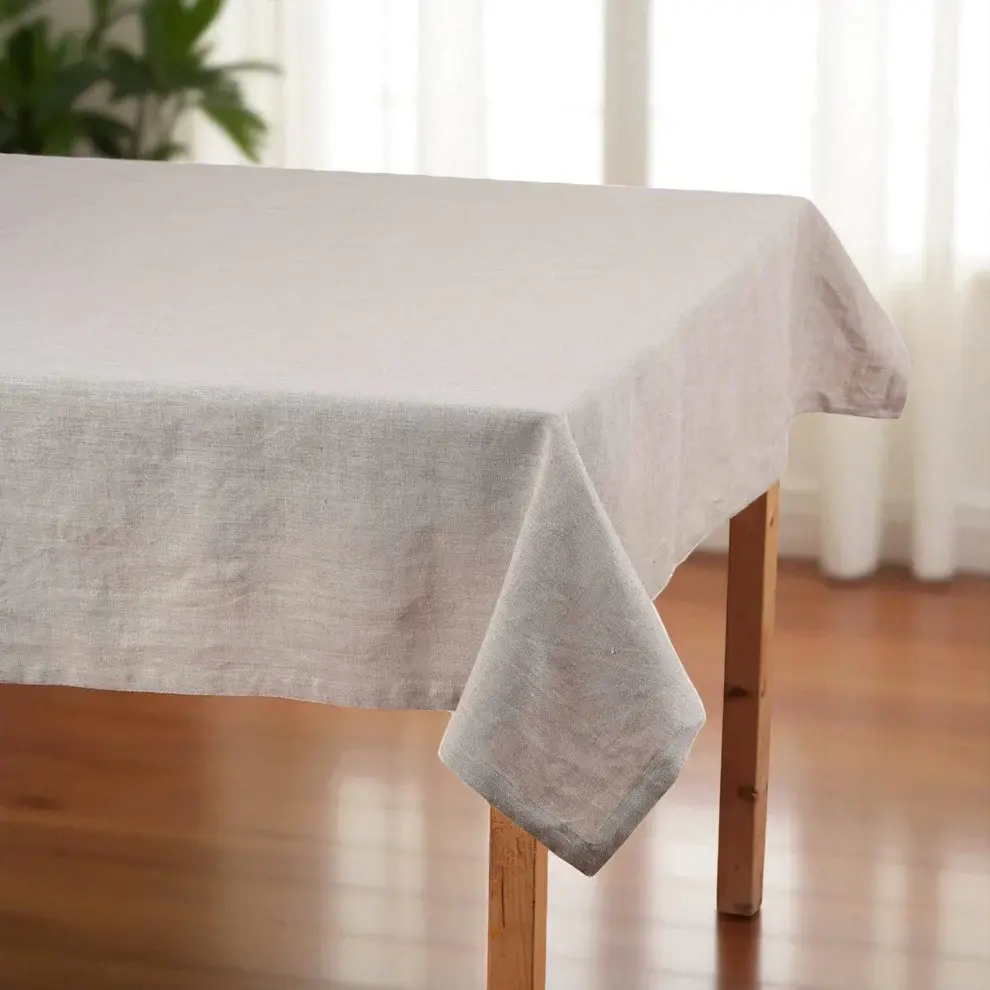
The Harmony of MaterialsWhat makes a home truly inviting is when each layer complements the other. Wood brings warmth, while linens bring softness. Together, they create balance, hard and soft, solid and fluid, protective and decorative.
Vliving’s collections sit beautifully in this space. Their textiles are made to be lived with, not just to decorate but to support the furniture beneath them. When you lay a handcrafted runner on a wooden table or place a set of napkins beside it, you are adding the third and fourth layers that make your home feel finished.Taking care of wooden furniture is not about rigid rules or elaborate routines. It is about paying attention to the small interactions, how the sunlight falls on a table, how a cloth feels against the wood, how often you shift things around. When you notice these details, care becomes second nature.
Over time, your furniture will reflect that quiet care, polished, sturdy, and full of character. And your linens, with their gentle wear and soft folds, will tell stories of all the days spent around them, ordinary, joyful, and lasting.